Daily Money Habits & Financial Routines
Mastering your personal finances happens in the moments between paychecks. Cultivate daily awareness, systematic reviews, and steady savings routines that protect your financial peace.
The Daily Money Routine
Structure your day with timely check-ins that take only minutes but deliver compounding financial clarity.
Morning Intent
Review your day's planned activities, forecast expected commuting or dining expenses, and commit to mindful spending limits before leaving home.
Midday Awareness
Pause before non-essential purchases, distinguish wants from genuine needs, and keep electronic receipts organized in your financial folder.
Evening Reconciliation
Take three minutes to log completed transactions, inspect digital banking notifications, and note remaining balances within your weekly budget envelope.
Weekend Wrap-Up
Consolidate weekly totals, allocate surplus funds toward savings accounts, and calibrate category limits for the upcoming week ahead.
Centered Money Checkpoints
Four foundational checkpoints to maintain control over cash outflows, liquidity reserves, milestones, and future commitments.
Spending Check
Monitor daily transaction volume, ensure no unexpected charges exist, and keep your discretionary spending aligned with weekly boundaries.
Savings Check
Confirm automated transfers into dedicated emergency cushions, sinking funds, and yield-bearing reserve instruments.
Goal Check
Verify steady progress toward prioritized milestones such as credit elimination, equipment upgrades, or major family savings.
Upcoming Expense Check
Scan the calendar 14 days ahead for insurance renewals, annual subscriptions, birthday gifts, and scheduled car maintenance.
Everyday Financial Perspectives
Cultivate a resilient mindset with deep-dive observations on spending psychology and money stewardship.
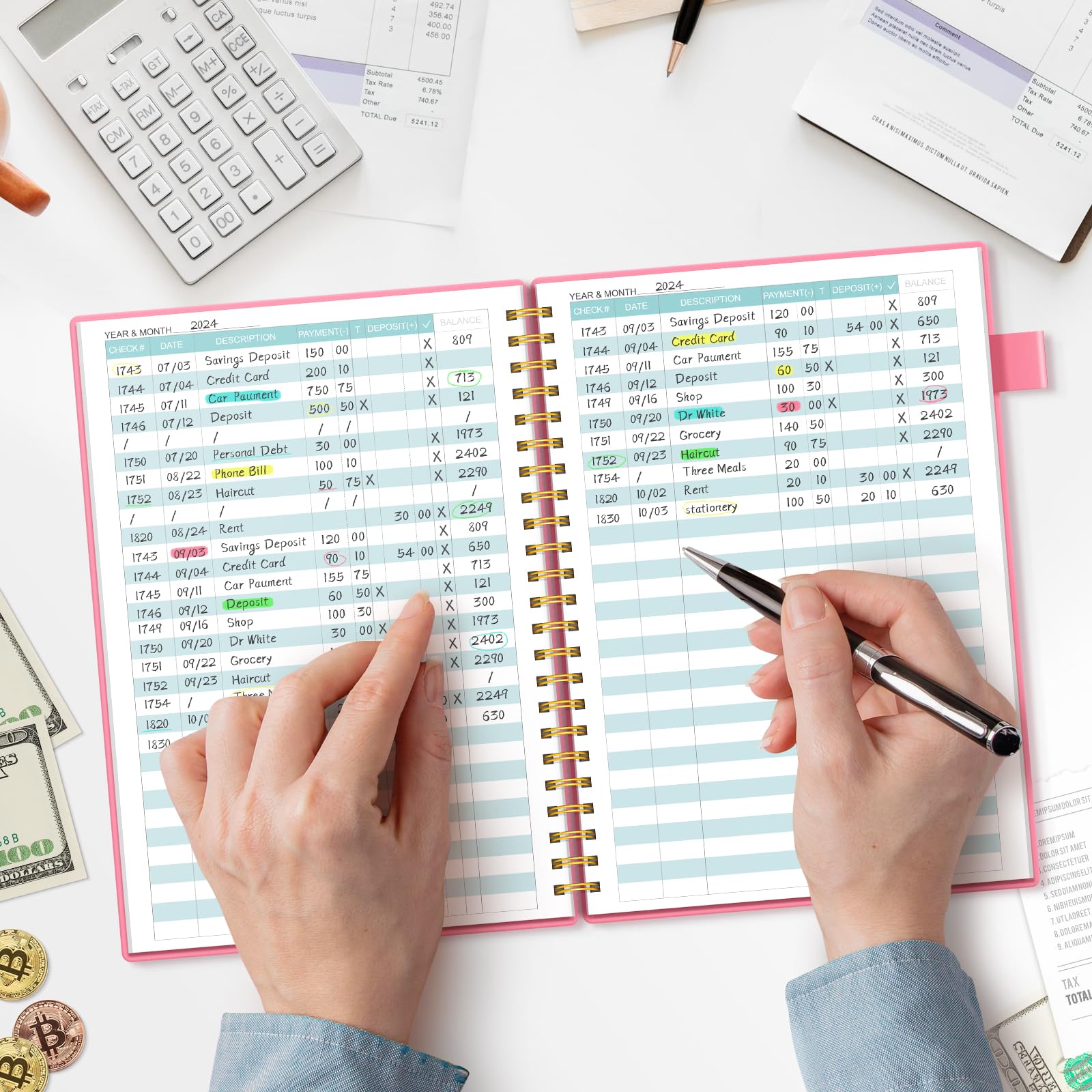
The Friction Principle: Defeating Modern Convenience Traps
One-click checkouts make spending effortless. Create deliberate resistance.
Modern digital commerce is engineered to eliminate friction between impulse and purchase. By removing saved card credentials, requiring manual entries, and establishing a compulsory 24-hour consideration pause, you regain intentional control over your hard-earned funds.
Remove Saved Payment Data
Typing your card digits manually gives your rational mind time to reconsider impulse buys.
Enforce the 24-Hour Rule
Wait a full day on non-urgent goods. Over 65% of momentary desires dissipate naturally.
Zero-Base Your Weekly Allocation
Give every single dollar a job before the week begins.
When unassigned money sits idly in a checking account, it tends to disappear on trivial conveniences. Assigning every dollar to specific envelopes—groceries, fuel, dining, savings, or debt reduction—creates accountability without deprivation.
Income Mapping
Match fixed recurring liabilities precisely against corresponding paycheck cycles.
Envelope Segregation
Keep lifestyle allocations in separate sub-accounts to prevent spillover.

The Weekly Money Review Framework
Once a week, dedicate 15 focused minutes to conduct a structured financial debrief. Answering these four core questions provides total command over your financial trajectory.
What did I spend this week?
Calculate total outlays across all cards and accounts. Compare against weekly limits.
What did I save this week?
Confirm dedicated transfers to emergency funds and interest-earning accounts.
What expenses are coming next?
Anticipate bills, events, car maintenance, or subscriptions due within 7 to 14 days.
What goal should I prioritize?
Identify one high-impact financial action to focus on during the coming seven days.
Frequently Asked Questions
Practical strategies for managing everyday money, building tracking habits, and avoiding common pitfalls.
Ready to Build Your Structured Budget?
Pair your daily money tracking habits with our comprehensive budgeting frameworks and category blueprints.